The Craft
Think Like a Caterer
Portions, the T-minus-three timeline, and what caterers know about guests.
Home › The Craft
When the guest list passes forty, gifting and feeding change shape. What large gatherings teach about scale, hosts, favors, and the goodbye table.
There is a kind of event (the convention, the family reunion, the retirement dinner, the conference of people who only see each other annually) where the table itself is the reason everyone came. Call it the long table. Hospitality at that scale obeys different physics from a dinner party, and gift-giving around it has its own quiet rules. This is our field guide to both.
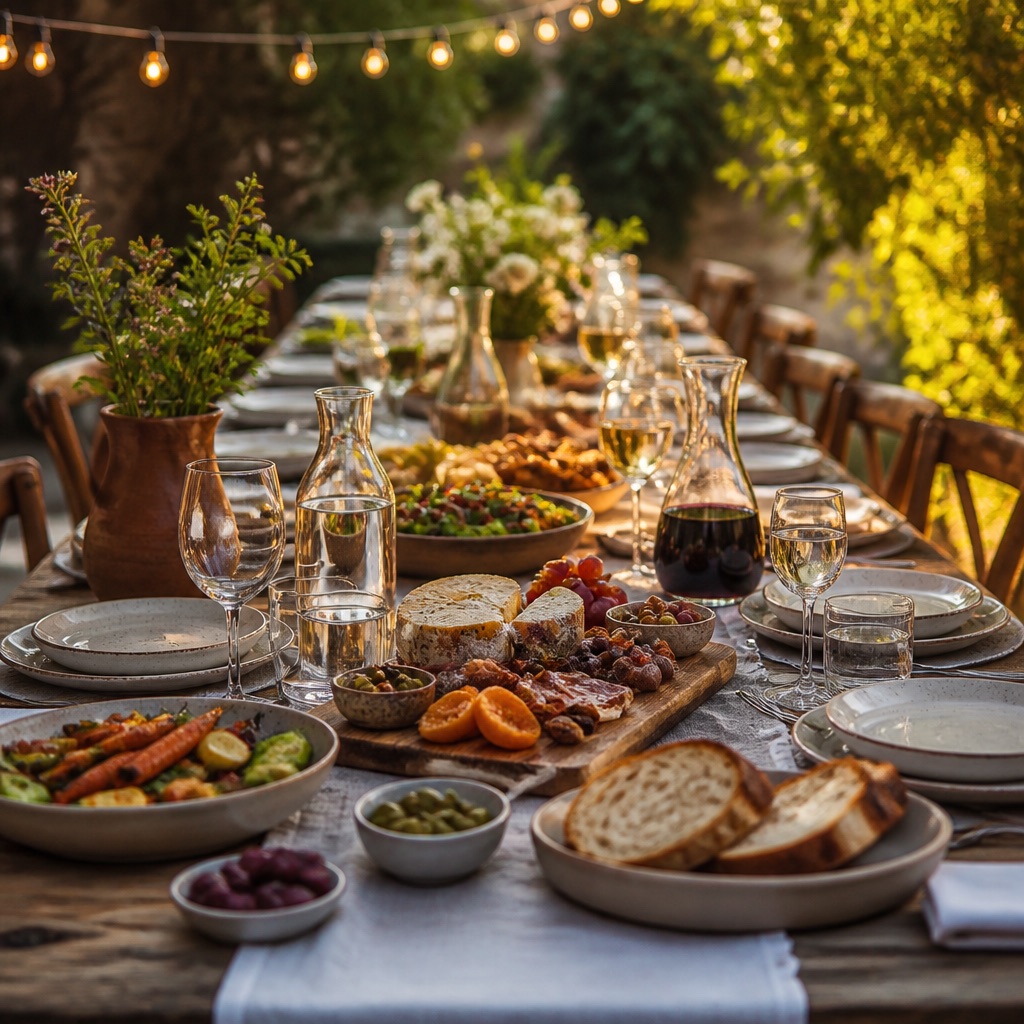
The first professional secret of large gatherings is that guests do not experience the whole event; they experience their corner of it. A thousand-person banquet is, for each guest, a table of ten with a remarkable view. So plan the corner, not the hall: one named host per table if you can, one shared platter that forces conversation, one detail within arm's reach that people can touch, bread to tear, shells to crack, a lazy Susan of preserves.
Feed the schedule, too. Long programs starve politely. If speeches run past an hour, food must circulate independently of them: passed bites during the words, supper after. Our caterer's guide has the portion arithmetic; the long-table addition is simply this: schedule food like sessions, with a beginning, a break, and a close.
The clearest worked example of that arithmetic is not a banquet at all. American Independence Day cooking is planned outdoors, for two waves of guests and a fixed number of coolers, which forces every quantity into the open: a Fourth of July table built around a county cookout sets out pounds per head, how much of the menu can be finished the day before, and where the ice budget really goes. The register is informal and the maths is identical to a hall's.
Large occasions generate obligations in bulk: speakers, volunteers, out-of-town cousins, the person who moved all the chairs. Rather than a panic of individual gifts, keep what event professionals call a ledger: a single list with three columns: who, why, weight. Weight means the gesture's appropriate size, and it should vary.
The ledger's purpose is not bookkeeping; it is fairness made visible. Nothing sours a big event faster than visibly uneven gratitude.
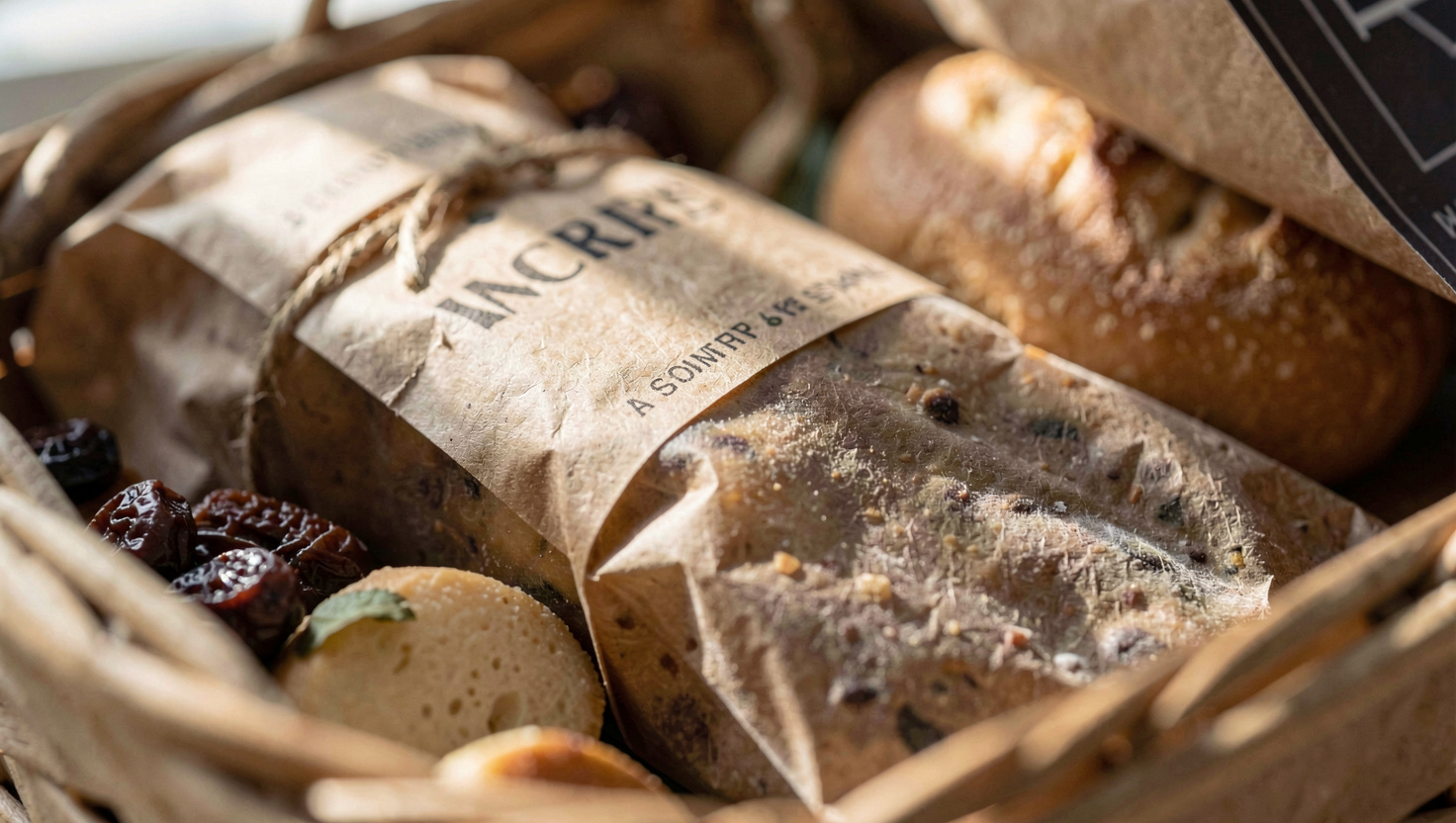
The favor is the long table's signature move: a small edible given at departure rather than arrival. The form matters less than the execution: it should survive a suitcase, a flight, and a week on a counter. Caramels, shortbread, a small jar of varietal honey, spiced nuts, a linen-wrapped orange at midwinter. Avoid anything refrigerated, anything crushable, and anything that says the organizer's name louder than the recipient's appetite.
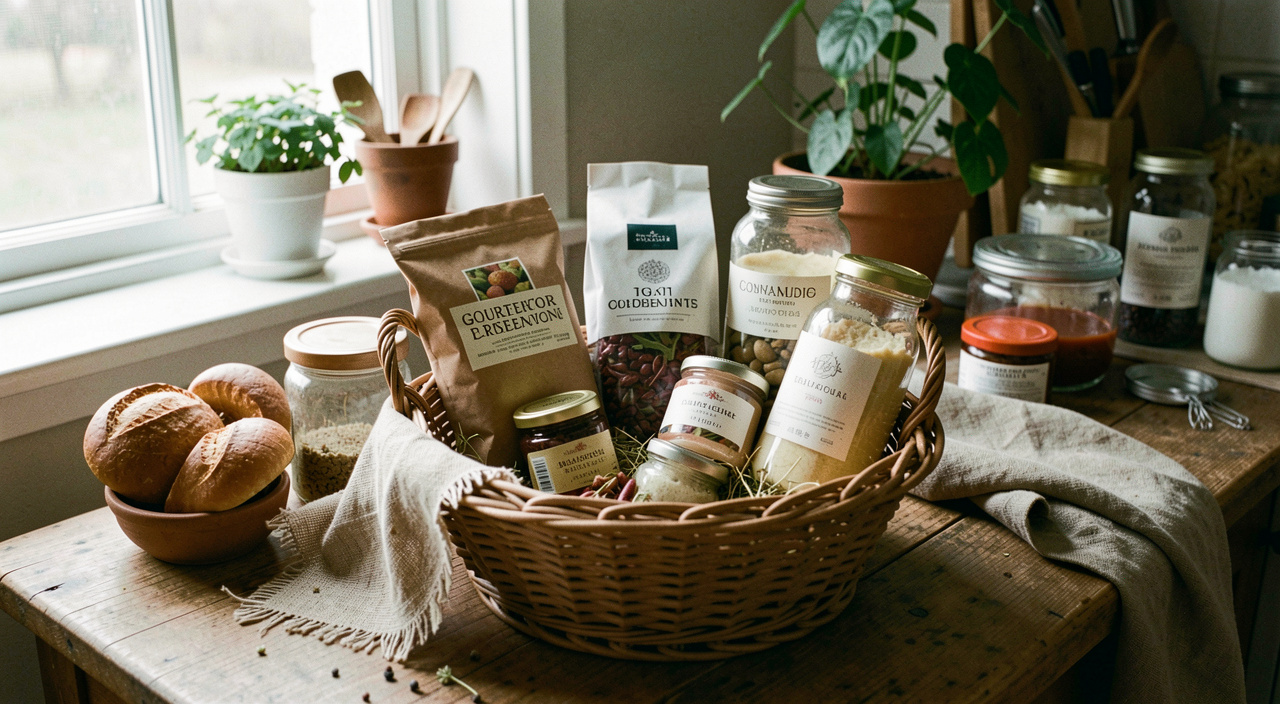
Corporate and industry gatherings need one further discipline: gifts that respect the recipient's return to an office. Useful beats ornamental: a tin that becomes a desk organizer, a cloth that becomes a lunch wrap, preserves that become the Monday-morning toast. Present them unwrapped or simply tied, with the card doing the personal work. Venues fill the gaps between sessions with snoep- en snackautomaten, the Dutch trade's term for sweet and snack vending, and beating the machine in the corridor is the favor table's whole ambition. And mind the room's many diets: a favor everyone can eat honors everyone present. At test events we weigh favor assortions the way our tasting panel weighs any gift, by the five criteria in how we review.
Family scale runs warmer and wilder. The long family table forgives formality and punishes stiffness: potluck coordination, a crates-of-peaches energy, children underfoot. Weddings run the same ledger with the roles written down in advance, and a guide to family roles in a wedding ceremony is the clearest version of that list we know; it transfers to a reunion almost line for line. The gift ledger still applies, the cousins who organized deserve the anchor gift, but the goodbye table can be gentler: a printed recipe card of the matriarch's rolls, a jar of the family's jam, a bag of the coffee Uncle Ray always brews. Objects that carry the family's own vocabulary outperform anything purchased for the purpose.
And when the folding chairs are stacked, one obligation remains. The host family, the organizers, the someone who washed dishes until midnight: they get their thank-you within the week: our guide to food as gratitude covers the timing and the weight.
The Craft
Portions, the T-minus-three timeline, and what caterers know about guests.
The Pantry
The anchor gift explained: labels, harvest dates, and the pepper test.
By Occasion
The winter notebook: tiers, shipping deadlines, and the office exchange.