By Occasion
The Winter Gifting Notebook
Tiers, ship-by dates, and the office exchange: December, handled.
Home › Seasons
The food-gift year runs on seasons before occasions: citrus in January, honey in June, pecans in October. The month-by-month map.
Occasions decide who; the season decides what. A jar of strawberries in December is a miracle of logistics and a failure of imagination; the same jar in June is simply the year at its best. This calendar is the magazine's spine, what each month gives, ships, and means, so that whenever an occasion arrives unannounced, the season has already done half your choosing.
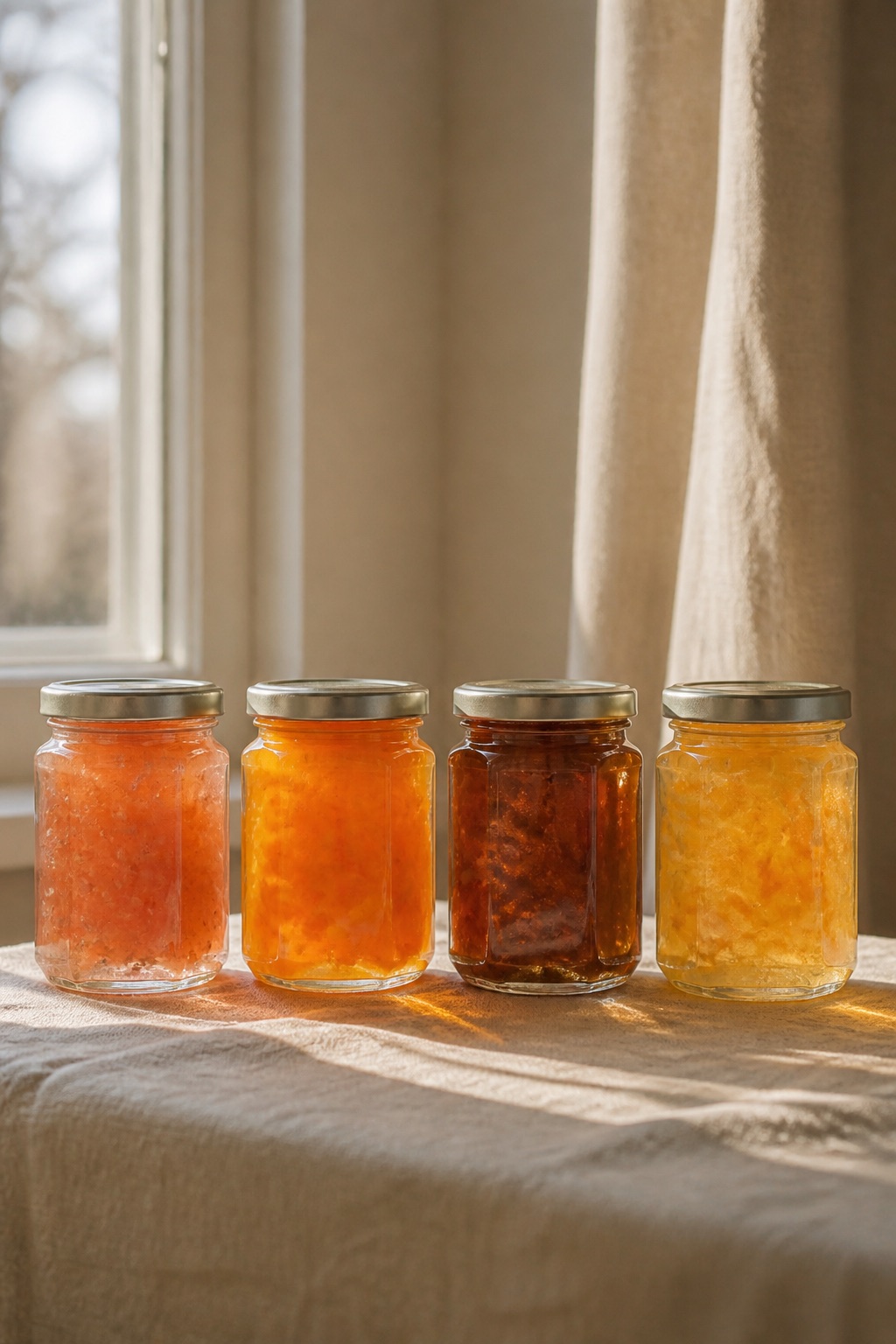
January through March is gifting's test of intent, no harvest to hide behind, and everyone's sweets exhausted. It is also when the mail-order classics peak. Citrus ships gloriously all winter: grapefruit and navels by the box, Meyer lemons for the bakers. Preserves, honey, and oil from the autumn put-up carry the season. Chocolate returns after Valentine's prices settle. And the cold months are the only honest window for shipping cheese and cured meats, see the shipping notes in our winter notebook. A February jar given for no reason at all outperforms most of December; that is not poetry, just scarcity of attention.
April through June brings the year's lightest register. Honey (the spring harvest, delicate and pale) leads the pantry counter (our varietal guide names the jars worth wrapping). Early greens, asparagus, and radish butter make gifts for cooks who want a project; eggs and the Easter and Passover tables revive the breakfast-basket form. May and June are also the year's housewarming peak (moving season opens) so the first-night principle works overtime.
July through August is the shippers' hard season: heat kills chocolate, softens cheese, and turns a parcel truck into an oven. Give what laughs at heat. Vinegars and shrubs (the drinking vinegars now everywhere worth eating), preserved lemons and pickles, salts and spice blends, tea and coffee, and the sturdy stone fruits for local handoffs only. The summer gifting moment is the visit (the hostess jar, the porch drop) and its etiquette lives in the gratitude guide. Ship anything meltable overnight or not at all.
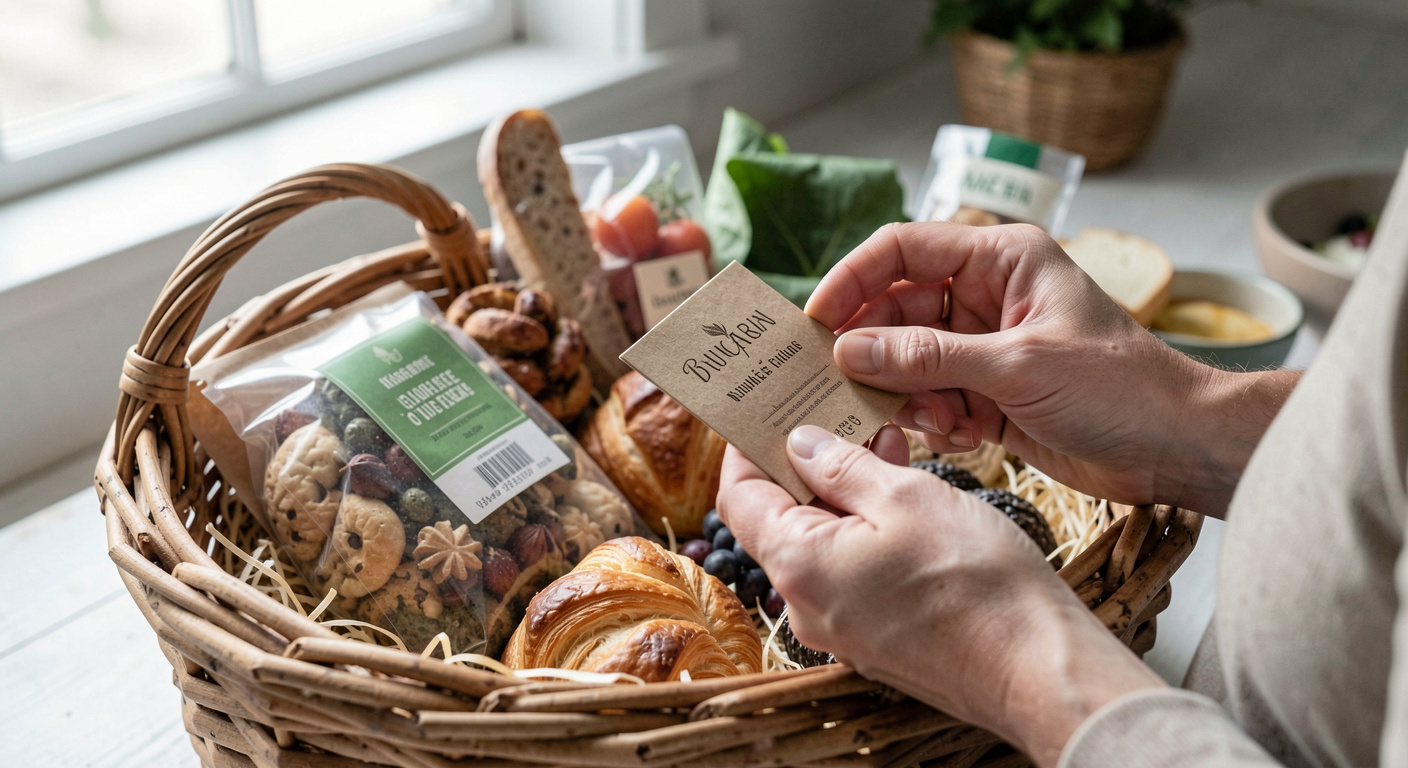
September through November is the year's high season, and the calendar turns dense. Hatch chile roasts in September; honey's late varietals (mesquite, buckwheat) come off in the same weeks; apples, cider, and apple butter run October through frost; pecans (the South's great gift crop) drop in October and are at their best before Thanksgiving; citrus begins again in November, and the whole preserving summer arrives jarred at every church bazaar in the country. The autumn basket, nuts, preserves, a cheese, a honey, a cloth, is the form's masterpiece; build it with the four-layer method.
A calendar only pays rent if it hangs somewhere real. Ours works in three moves. First, mark the year's fixed occasions on the first of January (birthdays, anniversaries, the housewarmings you can see coming) and note which season each falls in, because that decides the register before any shopping does. Second, keep a small standing pantry of season-proof gifts (a honey, a preserve, a chocolate, a tea) for the occasions that arrive unannounced. Third, when a month's specialty appears at the market, the first pecans, the new syrup, buy for the calendar, not just for the kitchen. The gift you bought in October for a March birthday is the best gift that birthday receives.
By Occasion
Tiers, ship-by dates, and the office exchange: December, handled.
The Pantry
What each American region gives, and how to read a label for real place.
The Craft
The summer and autumn events, fed on schedule.