The Craft
The Long Table
Conventions, reunions, and the forty-plus table: sizing hospitality and the goodbye favor.
Home › The Craft
Caterers do not cook differently, they count differently. The arithmetic, the timeline, and the psychology that make feeding forty people look effortless.
Every town has one: the caterer who serves two hundred weddings a year and still remembers that table nine needed gluten-free. Watching them work, the effort looks invisible. That invisibility is not talent; it is arithmetic and lists. This guide unpacks the professional's method so you can run a family reunion, a retirement dinner, or a block party with the same calm.

Professionals plan food by counting people, hours, and meal position: never by "plenty." The working numbers, per person, for a two-hour evening event:
Round up for crowds over fifty, counts get forgiving in both directions, and remember the caterer's quiet rule: abundance is a feeling created by refilling small vessels, not by piling one enormous one. A tray refreshed three times reads as generosity; the same volume sitting out reads as a barn.
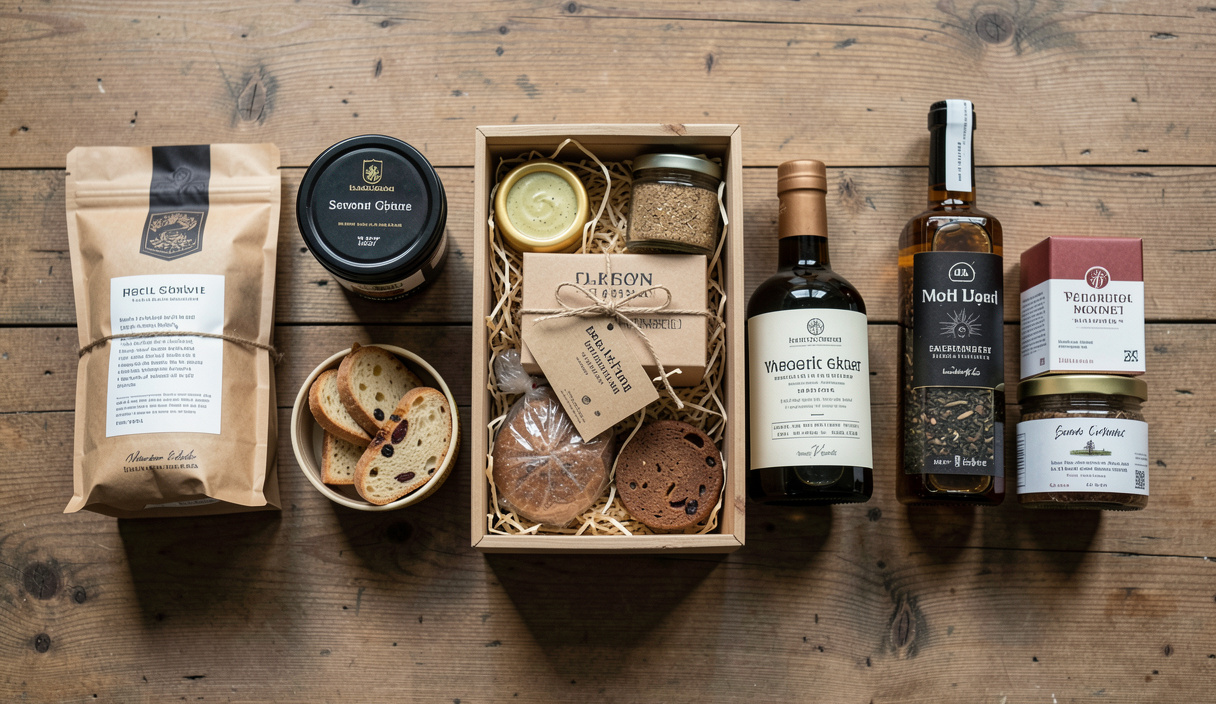
Nothing caterers serve is improvised the day of. A professional week looks like this, and a home host can copy it exactly:
Three truths, learned at scale. Guests eat what they can hold, not what looks abundant, invest in the first twenty minutes of service, when plates are still empty. Guests cluster where food stops moving; put two small stations at opposite corners rather than one long queue, and circulation solves itself. Guests forgive an ordinary dish served warm before they forgive a brilliant one served late. Temperature and timing outrank cleverness at every event we have ever covered.
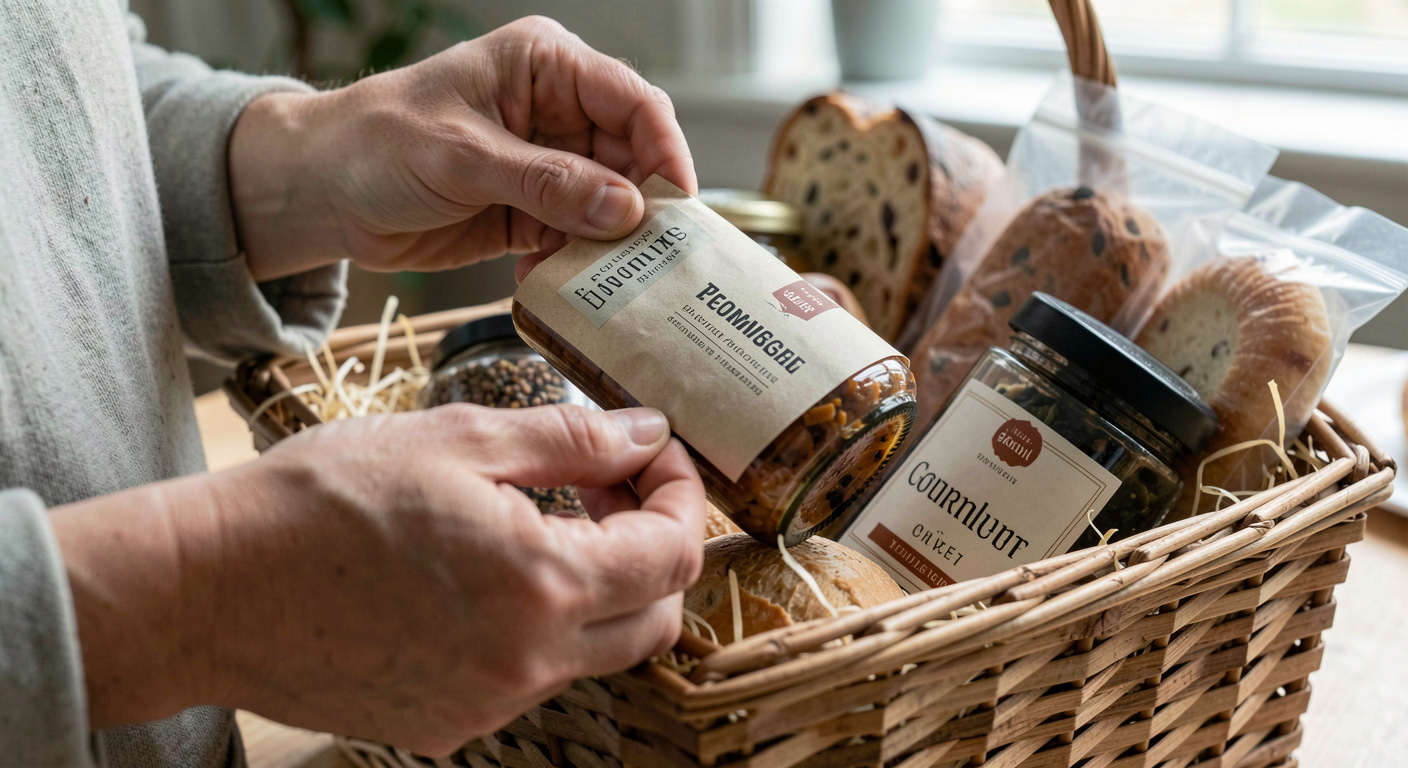
Choose your format by headcount and chair count, not ambition. Under twenty guests, plated service is a gift: it forces a pause between courses and gives the evening a spine. Twenty to fifty, family style (platters passed down long tables) combines abundance with intimacy. Above fifty, grazing wins outright: a composed table of cheeses, charcuterie, breads, and vegetables that guests visit on their own schedule. Our cheese board guide covers the grazing table's centerpiece in detail, including the ratios per person that professionals use.
The method shrinks beautifully. Hosting eight? The same four-day timeline, in miniature, means the day of your dinner you set the table and open the door. The same refilling rule means you serve from two modest bowls rather than one vast one. And the caterer's oldest habit is worth adopting whole: taste everything at the moment of service, at serving temperature. Food that tasted right at 4 p.m. may need a pinch of salt at 7. Caterers call that line-check. Hosts can call it dinner.
For the biggest end of the scale, reunions, retirements, the events where forty becomes a hundred, continue to our companion piece on the long table and large gatherings. And when the last guest leaves, the gift you send afterward follows its own etiquette: see saying thanks in the language of food.
The Craft
Conventions, reunions, and the forty-plus table: sizing hospitality and the goodbye favor.
The Table
Ratios, order, and restraint, how professionals compose the grazing centerpiece.
The Pantry
From hive to hostess gift: varietals, crystallization, and the jar that solves everything.