The Pantry
Honey, Explained
Varietals, crystallization, and why one jar with a named reason never misses.
Home › By Occasion
Gratitude has a grammar. Size it wrong and thanks becomes debt; time it wrong and it becomes an afterthought. The field guide to food as thanks.
Of all the occasions in the gifting calendar, thanks is the easiest to fumble. Too grand and the gesture turns into repayment, a transaction the recipient must now acknowledge in turn. Too slow and it reads as guilt. Too generic and it says nothing at all. Food, chosen and timed well, threads every one of those needles. This is the field guide.
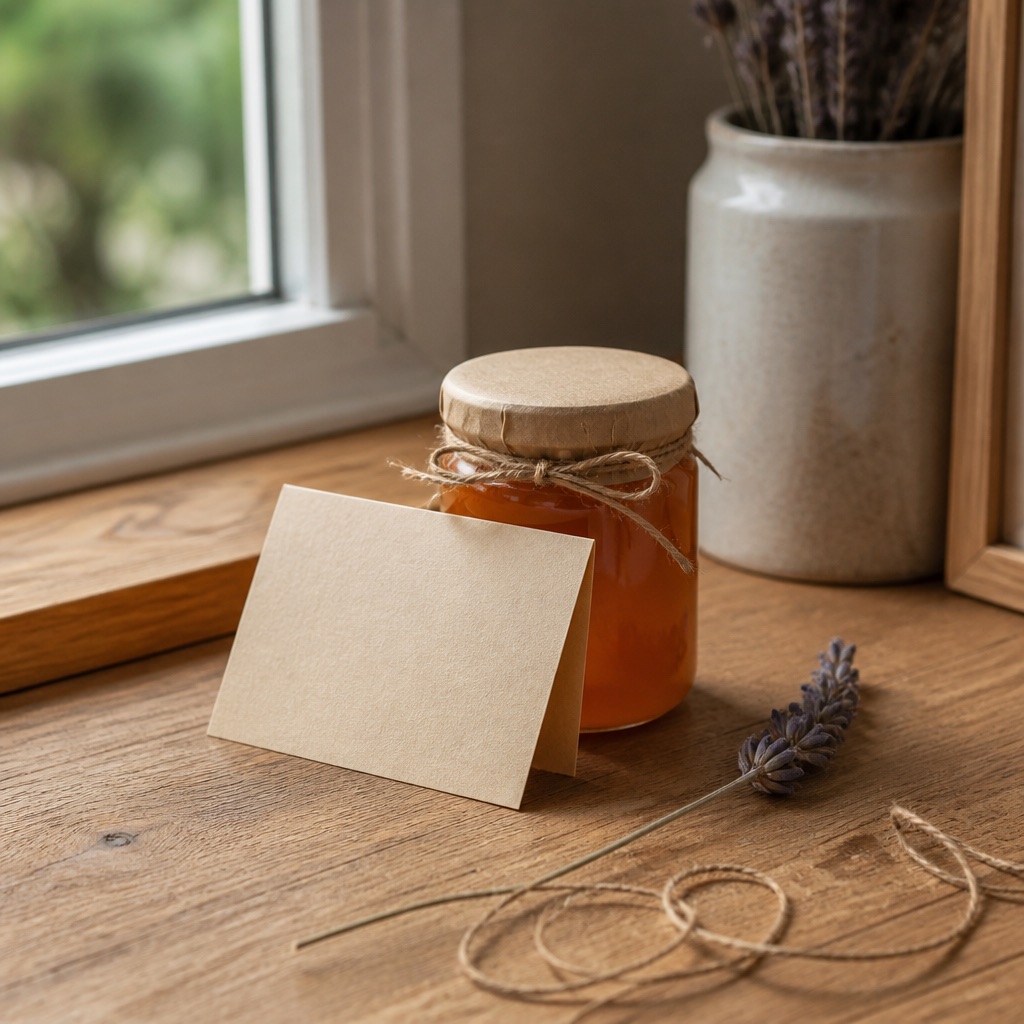
A thank-you must be lighter than the favor it answers. That is the whole grammar. The dinner host who cooked for six should receive a jar, not a banquet; the friend who drove you to the airport, a bar of good chocolate, not a basket. The rule feels stingy only until you watch it work: modest gifts are accepted with pleasure, and pleasure is the point. Weight has its uses elsewhere (the anchor gifts of the long table) but thanks is not the place.
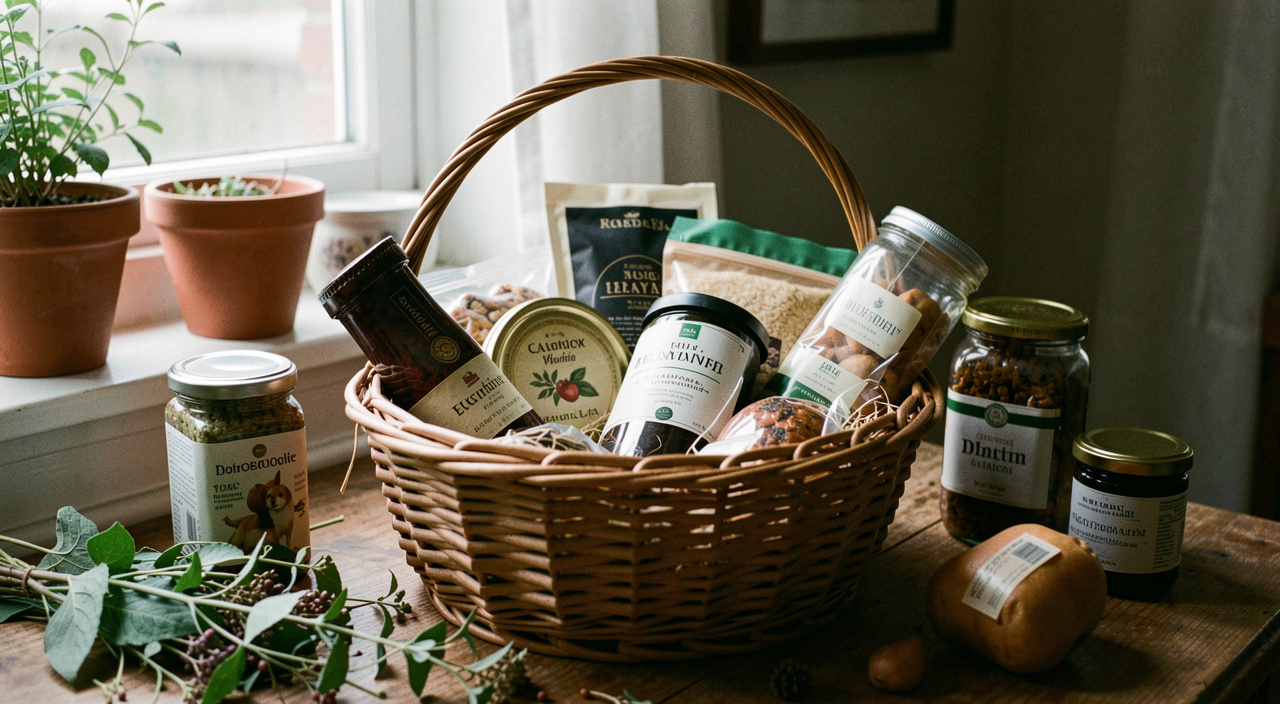
Gratitude has a pulse. For an evening's hospitality, within seventy-two hours: a message first, the small gift at the next meeting. For a week of favors (the friend who helped you move, the neighbor who watered through August, the one who kept the dog and turned out to know more than you do about soins du chiot au chien senior), inside two weeks. For the standing debt (the mentor, the teacher, the person who shows up every time) a twice-yearly rhythm beats one desperate December package; the seasonal calendar suggests the natural moments. Past the window, send anyway, but say so: "meant for June, still true in October" is a sentence everyone believes.
Our tasting panel keeps a standing short list; the gratitude foods that survive every register, diet, and distance:
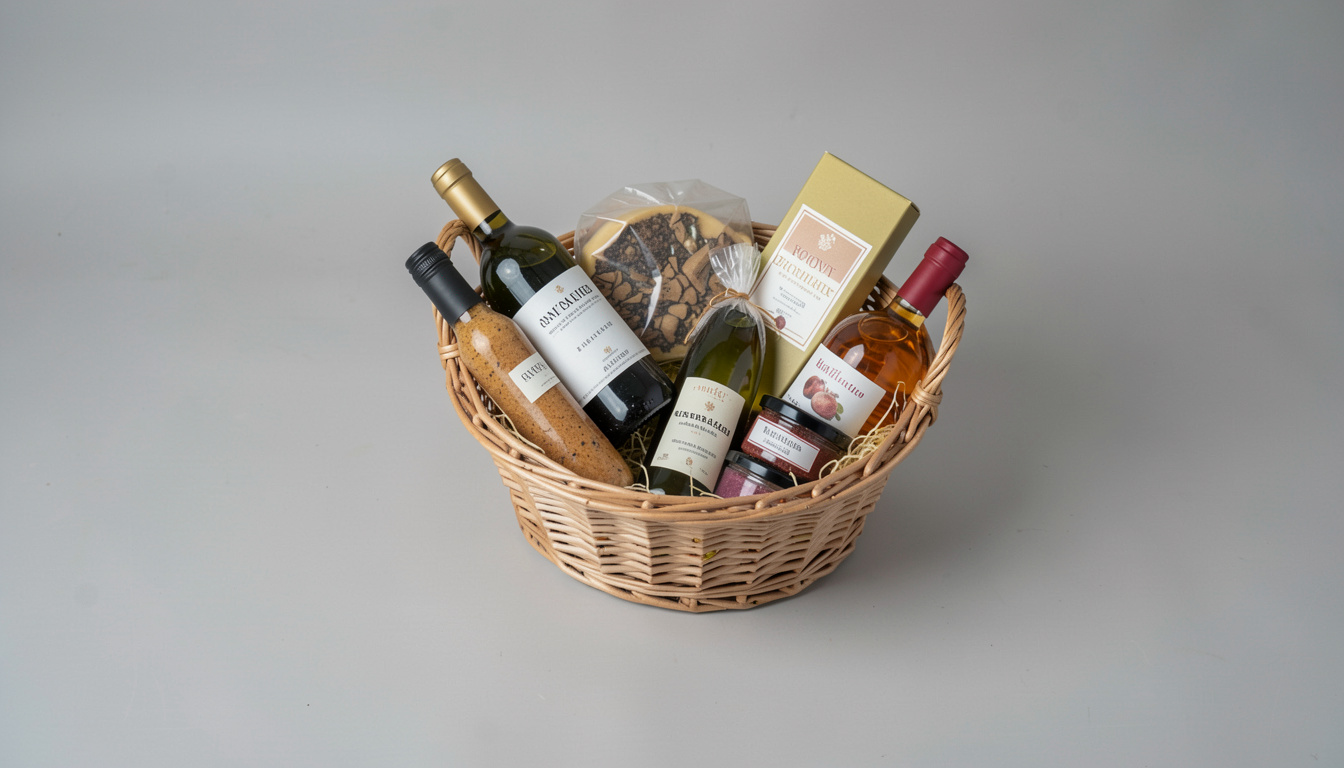
The smallest gift with a specific card beats the largest with a generic one, and by a mile. Specific means one named thing: not "thanks for everything" but "thanks for the loan of the ladder, the lasagna pan, and the joke about the parking." The food carries the goodwill; the sentence carries the proof you were paying attention. Handwrite it. If your handwriting is terrible, that is fine, legible and human outranks typeset and bloodless. Presentation completes the message; see the outer course for the full treatment.
Groups (teachers, teams, the committee that ran the whole event) are where individual gifting breaks down and composition takes over. One excellent tin or crate for the shared table, with a card naming the collective, beats twenty retail cards. The organizer, separately and privately, gets the personal note plus the jar; the two-tier etiquette is laid out in the long table guide. And for thanks that must travel, the faraway aunt, the remote colleague, lean on shippable preserves, honey, and nuts, and check the shipping seasons before you promise a date. When the favor was a fortnight in someone's guest house on the Turkish coast, learn their table first: Ege sofrası ve yerel pazarlar covers the Aegean's dishes and its market days, and a gift chosen against that list arrives as recognition rather than as an import.
Back at the hub, more registers and moments: gifting by occasion.
The Pantry
Varietals, crystallization, and why one jar with a named reason never misses.
The Craft
The hierarchy of wraps and the card that does half the work.
By Occasion
The first-night principle for the other side of the visit.